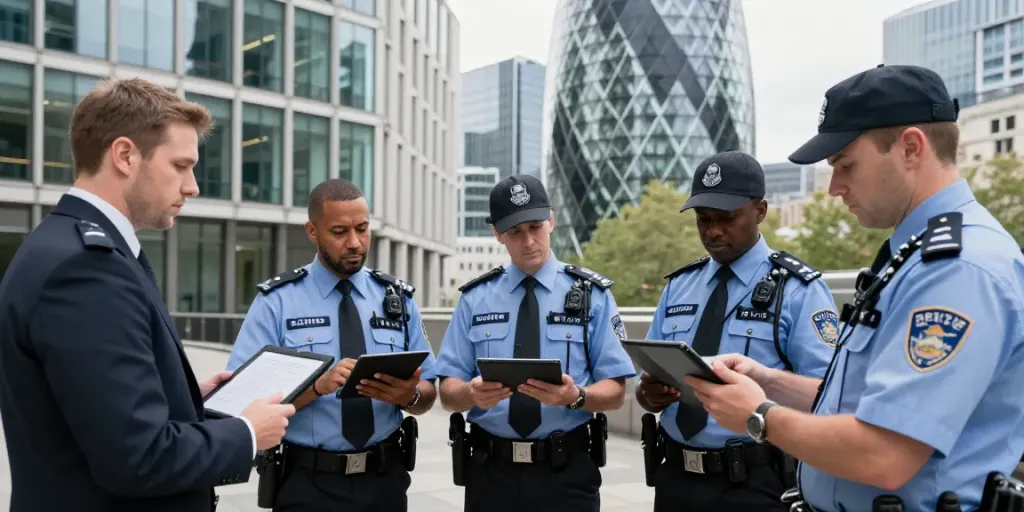
Understanding Corporate Security Services
In today's rapidly evolving business environment, ensuring the safety and security of assets, employees, and data is paramount for any organization. Corporate security encompasses various measures designed to protect businesses from both internal and external threats. It is crucial for companies, from small businesses to large multinational corporations, to implement robust security protocols to mitigate risks. When exploring options, Corporate Security providers can offer comprehensive insights into managing these risks effectively.
What is Corporate Security?
Corporate security refers to a systematic approach that identifies, assesses, and mitigates risks to a company's assets, personnel, and operations. This includes physical security measures like surveillance cameras, access control systems, and security personnel, as well as digital safeguards like cybersecurity protocols. Effective corporate security is multi-faceted, involving the integration of various strategies, policies, and technologies to create a protective environment.
The Importance of Corporate Security for Businesses
Implementing a comprehensive corporate security strategy is vital for several reasons. Firstly, it protects physical and intellectual property from theft and vandalism. Secondly, it ensures the safety of employees, which can improve morale and productivity. Additionally, strong security measures enhance a company's reputation, building trust with clients and stakeholders. Finally, with the rising threats of cyber attacks and corporate espionage, a robust security framework can safeguard sensitive data, thereby maintaining business continuity.
Common Services Provided by Corporate Security Companies in London
Corporate security companies in London offer a wide range of services tailored to meet the diverse needs of businesses. These services typically include:
- Risk assessments to identify vulnerabilities.
- Manned guarding to provide physical presence.
- Access control management to restrict entry to designated areas.
- Surveillance systems, from CCTV to on-site monitoring.
- Emergency response planning to prepare for potential incidents.
- Cybersecurity measures to protect against digital threats.
- Event security for corporate functions, ensuring safety and compliance.
Choosing the Right Corporate Security Provider
Selecting a corporate security provider is a critical decision that can significantly impact a business's safety and operational integrity. A thorough assessment of potential providers is essential.
Key Factors to Consider When Hiring Security Services
When evaluating security companies, consider the following factors:
- Reputation: Research the company’s history, including reviews and testimonials from previous clients.
- Experience: Ensure the provider has a proven track record in your industry and offers the specific services you need.
- Accreditations: Look for certifications such as SIA (Security Industry Authority) and NSI (National Security Inspectorate) to verify the company's credibility.
- Custom Solutions: A good security provider should offer tailored services that meet your business's unique requirements.
- Transparency: Ensure the provider is upfront about their procedures, pricing, and any potential risks involved.
Assessing the Qualifications and Accreditations
Qualifications and accreditations play a crucial role in identifying a reliable corporate security provider. Companies should present valid certifications from recognized governing bodies like the SIA, which regulates the industry in the UK, ensuring that personnel are professionally trained and have undergone rigorous vetting processes.
Customer Reviews: What Clients are Saying
Paying attention to customer reviews is essential as they reflect the service level and professionalism of a company. Look for feedback regarding response times, the effectiveness of security measures, and overall client satisfaction. Websites such as Trustpilot or Google Reviews can provide valuable insights into the experiences of other businesses with potential security providers.
Pricing Models for Corporate Security
Understanding the financial implications of hiring a corporate security provider is essential for budgeting and selecting the right partner.
Understanding Cost Structures: Hourly Rates vs. Contract Services
Corporate security services often come with varied pricing structures. Some companies may charge by the hour for on-site guarding, typically ranging from £12 to £20 per hour depending on the services offered and staff qualifications. Others may provide fixed contracts for long-term services which could include reduced hourly rates for extended engagements, ensuring better cost control for businesses.
Factors Influencing the Cost of Corporate Security in London
The cost of corporate security services can be influenced by several key factors:
- Type of Service: Different services such as event security, mobile patrols, or CCTV installation come with varying costs.
- Scope of Work: The level of detail required in security assessments and planning can impact pricing.
- Personnel Type: Hiring specialized personnel (like close protection officers) may incur higher costs than standard security guards.
- Length of Engagement: Longer contracts often allow for better deals compared to one-off service hires.
Budgeting for Security Services: What to Expect
When budgeting for security services, it is important for businesses to consider both direct and indirect costs. In addition to service fees, allocate funds for equipment maintenance, emergency funds for incidents, and potential training costs for staff. An upfront investment in sound security measures can potentially lead to significant savings by reducing risks and losses related to theft or liability issues.
Regulations and Compliance in Corporate Security
Staying compliant with the latest regulations is critical in maintaining a secure environment and protecting a company's interests.
Understanding Licensing Requirements for Security Providers
In the UK, all security personnel must be licensed under the Security Industry Authority (SIA). This includes training courses for various roles in the security sector, which must be completed before an individual can legally work as a security guard, door supervisor, or in similar positions.
The Role of the Security Industry Authority (SIA)
The SIA oversees licensing and regulation of the private security industry in the UK. Its role includes enforcing compliance with laws related to public safety and ensuring that all operating security firms adhere to industry standards. Engaging with an SIA-approved contractor guarantees that you are working with a provider that maintains these high standards.
Compliance with Health and Safety Regulations
Corporate security services must also comply with health and safety laws that protect employees and the public. This includes risk assessments, training for emergency situations, and protocols to follow in case of accidents. Understanding these regulations can help businesses mitigate legal risks and create a safer working environment.
Emergency Services and Response Plans
An effective corporate security strategy includes having emergency services and response plans in place, essential for protecting assets and ensuring safety during crisis situations.
How Corporate Security Handles Emergencies
Corporate security providers are trained to handle emergencies efficiently. This includes employing specialized staff who are ready to respond to incidents such as theft, medical emergencies, or natural disasters. Well-documented protocols ensure that every team member knows their role, allowing for timely and effective responses that minimize harm and loss.
Creating Effective Response Plans for Critical Situations
Developing a tailored response plan is crucial for any business. This plan should outline steps to address specific possible emergencies, designate responsibilities, and establish communication channels. Regular drills and review sessions ensure preparedness and allow employees to respond confidently in a crisis.
Seasonal Security Considerations and Planning
Businesses must also consider seasonal threats that could impact security, such as holiday-related theft or events where large crowds gather (like festivals or public gatherings). For more information, Corporate Security offers valuable insights. Tailored security solutions during peak seasons help manage risks effectively and protect both assets and personnel.